A Growing Body of Evidence
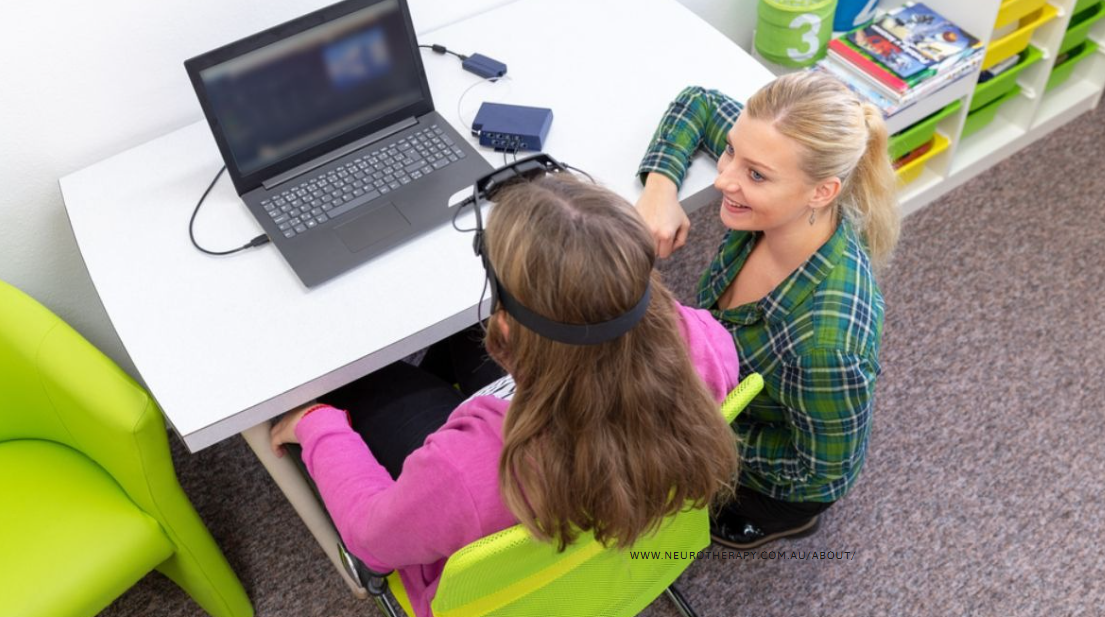
While mainstream medicine has yet to fully embrace neurofeedback as a first-line therapy, there is a mounting body of evidence to support what NFB practitioners have known for years—that neurofeedback can produce long-lasting, transformative results for clients with a variety of conditions.
ADHD: Neurofeedback helps ADHD by training the brain to increase focus and reduce impulsivity. It targets irregular brainwave patterns linked to inattention and hyperactivity, helping the brain stay more alert, organized, and self-regulated.
Depression : Neurofeedback helps depression by training the brain to shift out of patterns linked to low mood, such as underactivity in certain areas. By encouraging more balanced brainwave activity, it can improve emotional regulation, energy, and overall mental resilience.
Anxiety: Neurofeedback helps anxiety by calming overactive brain patterns linked to fear and worry. It trains the brain to stay more relaxed and focused, reducing symptoms like restlessness, tension, and racing thoughts.
Sleep Issues: Neurofeedback helps sleep by calming overactive brain activity and promoting patterns linked to relaxation and deep rest. This can lead to falling asleep more easily, staying asleep longer, and waking up feeling more refreshed.
Autism : Neurofeedback helps autism by supporting better regulation of brain activity, which can improve emotional control, focus, and social engagement. It encourages more balanced brain function, often leading to reduced anxiety, improved communication, and greater adaptability.
Chronic Pain: People in chronic pain can experience less pain, sleep better and be able to reinvest energy in other areas of their lives by using neurofeedback
Eating Disorders: Clients can experience general calming and less overfocus on eating. Neurofeedback enhances the success of other interventions needed here
Acquired Brain Injury: Neurofeedback improves focus, attention, mood regulation and can resolve post-trauma headache. In some cases, it can help restore language function
Trauma & PTSD: Neurofeedback can help calm hyper-vigilant, fear-driven brains and bring the emotional containment necessary to allow processing of trauma material
Course Curriculum
-
-
(Included in full purchase)
Chapter 1: Welcome
-
(Included in full purchase)
-
-
(Included in full purchase)
Parts 1: Feedback and Biofeedback
-
(Included in full purchase)
Part 2: EEG and Neurofeedback
-
(Included in full purchase)
Parts 3:Putting the Pieces Together
-
(Included in full purchase)
Parts 4: Bonus: QEEG
-
(Included in full purchase)
-
-
(Included in full purchase)
Part 1: The Brain Does Everything
-
(Included in full purchase)
Part 2: What Neurofeedback is used for
-
(Included in full purchase)
Part 3: What Neurofeedback can do
-
(Included in full purchase)
-
-
(Included in full purchase)
Parts 1: Overview
-
(Included in full purchase)
Parts 2: For Clients
-
(Included in full purchase)
Parts 3: For Practitioners
-
(Included in full purchase)
Parts 4: Frequently Asked Questions
-
(Included in full purchase)
-
-
(Included in full purchase)
Parts 1: Neuroplasticity
-
(Included in full purchase)
Parts 2: Operant Conditioning and Information Processing
-
(Included in full purchase)
Parts 3: Summary
-
(Included in full purchase)
Parts 4: Mechanics of Neurofeedback 1
-
(Included in full purchase)
Parts 5: Mechanics of Neurofeedback
-
(Included in full purchase)
-
-
(Included in full purchase)
Part 1: Overview
-
(Included in full purchase)
Part 2: Side effects
-
(Included in full purchase)
Part 3: What makes a good Practitioner
-
(Included in full purchase)
-
-
(Included in full purchase)
Parts 1: Overview
-
(Included in full purchase)
Part 2: Amplitude / Classical or frequency band training
-
(Included in full purchase)
Part 3: Z Score Training
-
(Included in full purchase)
Parts 4: Coherence
-
(Included in full purchase)
Part 5: fMRI Neurofeedback
-
(Included in full purchase)
Part 6: Slow Cortical Potential (SCP) Neurofeedback
-
(Included in full purchase)
Part 7: Infra-low neurofeedback
-
(Included in full purchase)
Part 8: LENS (Low energy neurofeedback system)
-
(Included in full purchase)
Part 9: HEG (hemoencephalography) neurofeedback
-
(Included in full purchase)
Part 10: Next Steps
-
(Included in full purchase)
-
-
(Included in full purchase)
Part 1: Executive summary
-
(Included in full purchase)
Part 2 : Different type of research / Caterogy 1: Case study
-
(Included in full purchase)
Part 3: Different type of research / Category 2: Case series
-
(Included in full purchase)
Part 4: Different types of research / Category 3: Control studies
-
(Included in full purchase)
Part 5: Different types of research / Category 4: Randomized control trials (RCTs)
-
(Included in full purchase)
Part 6: Literature Review
-
(Included in full purchase)
-
-
(Included in full purchase)
Part 1: Criticisms and Responses
-
(Included in full purchase)
-
-
(Included in full purchase)
Part 1: Next Steps
-
(Included in full purchase)
How to Separate the Fact From the Misinformation
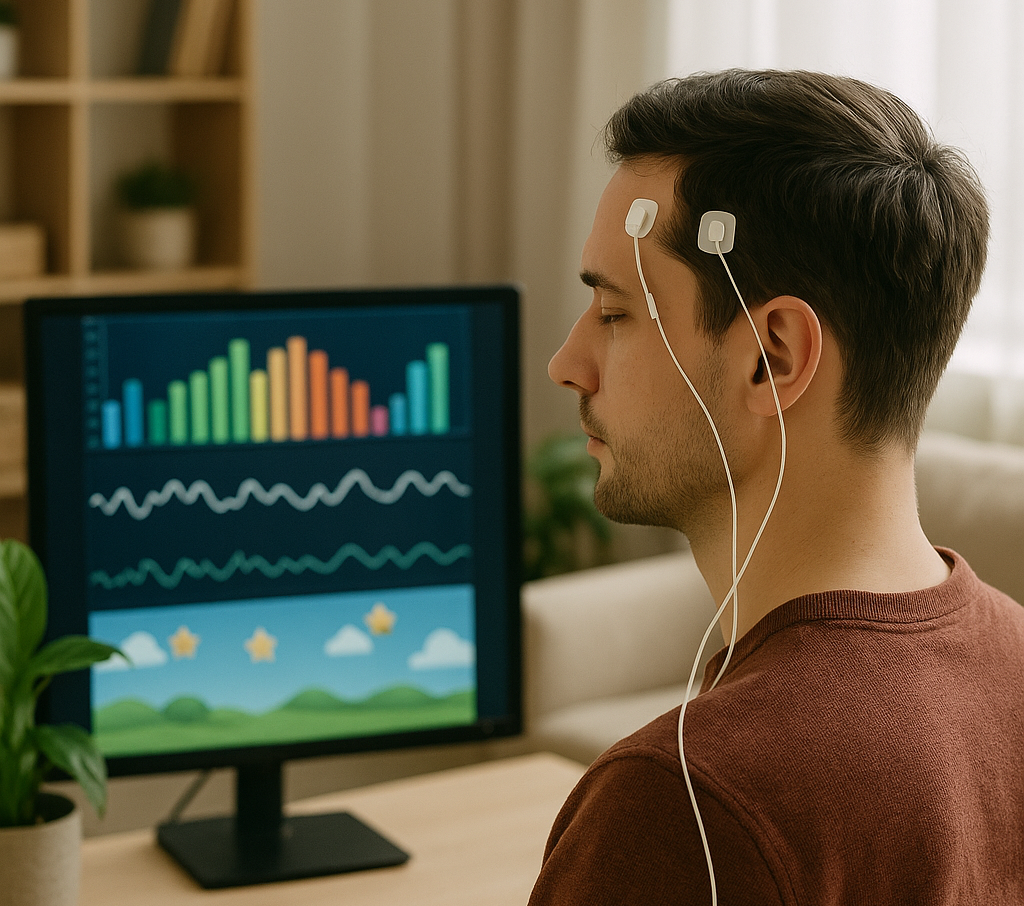
Unfortunately, the fact that neurofeedback is an unregulated industry means there's no standardization across modalities or practitioners, and conflicting information is rife. - Some claim it's complete fiction, with practitioners being misguided at best or charlatans at worst. - Some claim it's no better than a placebo, even if it gets results that clients have struggled to achieve before. - Some claim it can be an effective standalone option and can be effective in conjunction with other therapies. - Some claim that the cures are quick and easy, they overstate what neurofeedback and neurofeedback practitioners can do. The truth is somewhere in the middle, but with few reliable sources, the field can be daunting for clients and practitioners.

Meet Dr. Moshe Perl, PhD
Following a lifelong love of maths and science, I graduated with a degree in Physics from the University of Tel-Aviv in 1979. But, after realizing that I wanted more from life than working in a lab, I retrained as a psychologist at The University of North Texas in Denton, and soon began working in schools, correctional facilities, psychiatric wards, and in private practice seeing children with attention issues. A pivotal moment in my practice came when a colleague claimed that one can work productively with children who suffer from ADHD, without using medication. Though I was initially extremely sceptical, I decided to travel to Sydney to learn more about neurofeedback, and what I saw changed the trajectory of my career. I saw for myself that neurofeedback was achieving profound, long-lasting results without the need for medication and I was excited. Well placed to apply my analytical mind in a field that was both technological, scientific and therapeutic, I began a 20-year career as a neurofeedback practitioner and educator, helping thousands of clients and mentoring hundreds of clinicians across the world. I’ve studied with many of the world-leading experts in neurofeedback and QEEG/EEG analysis, and have now become a recognised leader in the industry myself. Now, my aim is to pull back the curtain and share the science of neurofeedback in a truly accessible way, to ensure that the kind of healthy scepticism I, myself, had 20 years ago, doesn’t prevent any prospective client from experiencing the truly transformative results that neurofeedback can offer.
Get Started Now!
6 - month access
$35.00